What Salsa Dancing is Teaching Me About Coaching
How learning to dance has some interesting parallels with coaching.
Jan Batty
6/29/20262 min read
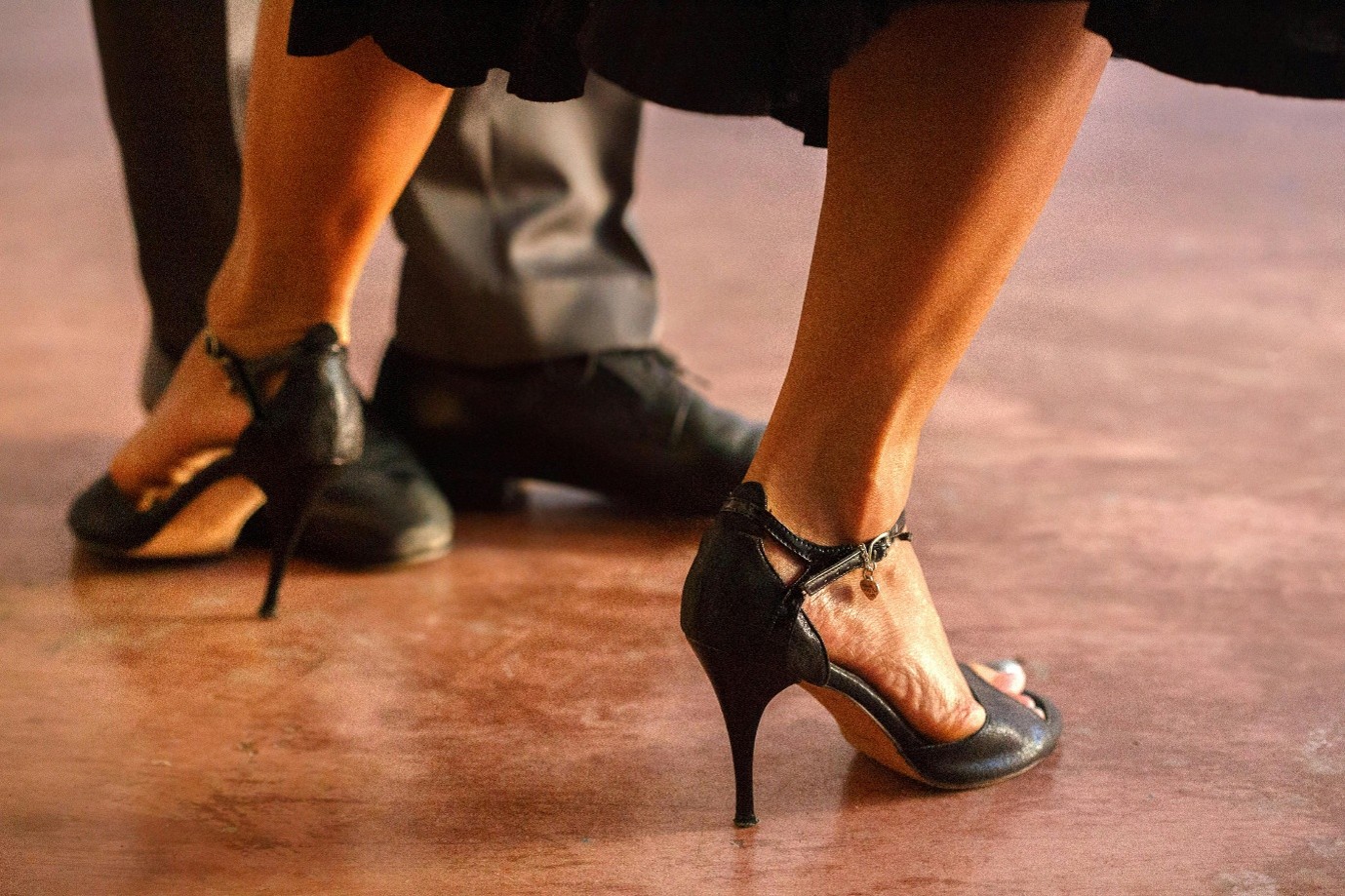
I didn’t expect salsa lessons to teach me anything about my work. I’m a beginner, and after only six lessons I have been struck by the similarities between the approach to dancing with another person and the coaching relationship.
I’d come across the idea that a useful conversation is like a dance before in motivational interviewing. Stephen Rollnick talks about it as 'dancing not wrestling'. But learning salsa dancing has changed it from something I thought to something I started to understand in my body.
The first few moments of dancing with someone are all about connection. You don’t know what kind of a day they’ve had, how they are feeling, so you start gently. It’s not so different from the opening moments of a coaching session. We begin with an invitation into the space, noticing where our client is today and listening to what they need. We meet them as they are, not as we imagined they might be.
In salsa there is a leader and a follower. In coaching, the coach follows the thinker or client. Not aimlessly — there is a shared sense of direction — but the cues come from them. As a follower in salsa, I am having to learn how to surrender. That means stepping into the unknown. This is scary! Whilst there are some basic steps, you don’t know the next move until you feel the slight pressure through your hands that tells you. You find the way by relaxing, not thinking, staying with the rhythm of the music and allowing yourself to be led.
Coaching asks for the same kind of attitude or presence. The hardest part is staying fully in the moment and alert to what you are hearing, sensing and seeing. It’s no good thinking about what’s just gone, or your next question. In fact, my experience is that the best questions come from what’s happening right now. Afterwards you wonder - where did that come from?
Salsa is reminding me that good coaching isn’t about feeling in control or having lots of tools or theories. It’s much more about tuning in, noticing the small things and using that information for the thinker’s benefit.
If this feels familiar or of interest, notice what happens in the next conversation where you want to be helpful. Is it more like a dance or a wrestle? See what happens if you relax and take your cues from your partner.
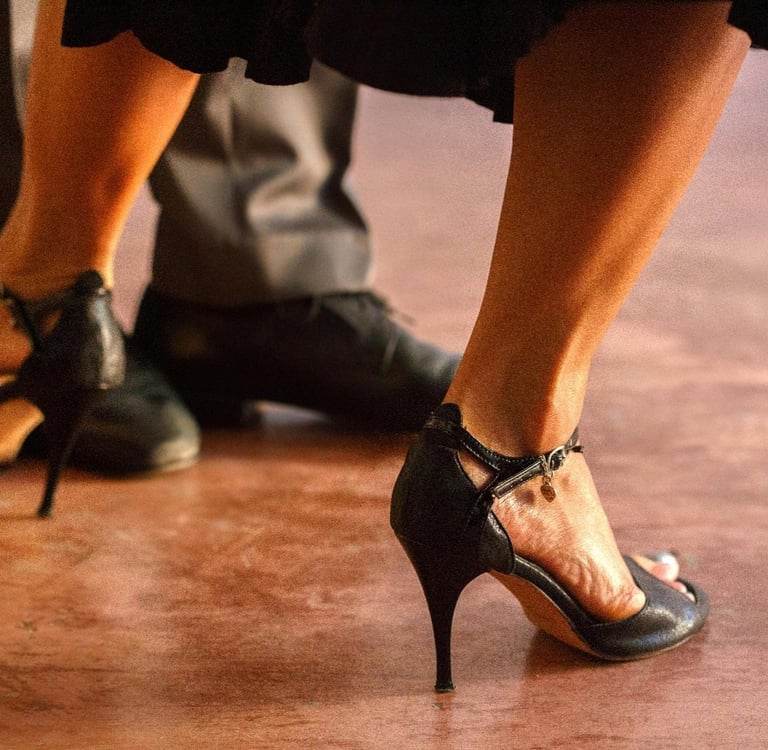
And no, those aren’t my heels!
If you’re interested in coaching with me or for your organisation, please get in touch to book a free exploratory call.
hello@tinyhorsecoaching.co.uk
© 2025
Sign up for the bi-monthly Tiny Horse Newsletter here - reflections, practical ideas, and small insights.